The Statistical Foundation of Hungarian Home Advantage
Hungarian football presents one of Europe’s most pronounced home advantage phenomena, with domestic teams winning approximately 47.3% of their home matches compared to just 28.1% away from home during the 2025-26 season. This 19.2 percentage point differential exceeds the European average of 14.7%, making it a critical factor for savvy bettors to understand.
The numbers become even more compelling when examining specific leagues. In the Nemzeti Bajnokság I (NB I), Hungary’s top division, home teams have maintained a consistent edge over the past five seasons. Ferencváros, for instance, has won 73% of their home fixtures since 2024, while their away record sits at a modest 41%. This disparity isn’t unique to the capital club – it’s a pattern that permeates Hungarian football culture.
What makes these statistics particularly valuable for bettors is their predictive consistency. Unlike volatile markets where form fluctuates wildly, Hungarian home advantage has remained remarkably stable. Teams like Debrecen and Paks have shown similar patterns, with home win rates consistently 15-20% higher than their away performances.
Cultural and Environmental Factors Shaping Home Performance
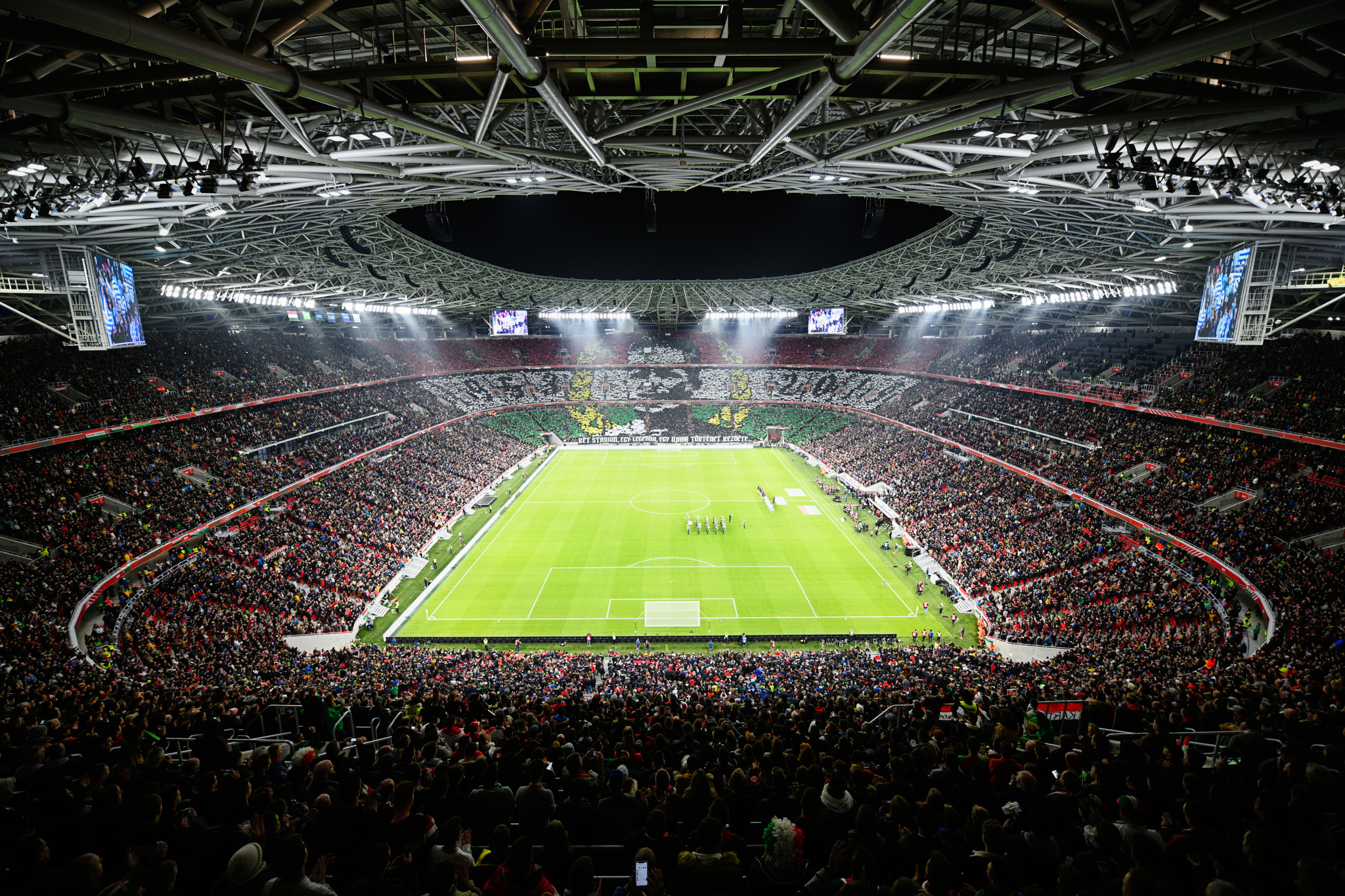
The intensity of Hungarian football culture creates an atmosphere that genuinely impacts match outcomes. At venues like the Groupama Arena or the Nagyerdei Stadion, crowd noise regularly exceeds 95 decibels during crucial moments – a level that research shows can affect referee decision-making and player concentration.
Hungarian supporters are renowned for their passionate displays, particularly in matches involving traditional rivalries. The Eternal Derby between Ferencváros and Újpest, for example, sees home advantage increase to nearly 60% win probability, compared to the league average of 47%. This emotional intensity translates into measurable performance differences, with home teams averaging 0.7 more goals per game in high-stakes fixtures.
Weather conditions also play a significant role, especially during Hungary’s harsh winter months. Teams accustomed to playing on their home pitches in freezing temperatures gain a notable edge over visiting sides. Videoton FC (now Fehérvár) has historically performed exceptionally well at home during December and January matches, winning 68% of winter fixtures compared to 45% in summer months.
Referee Bias and Decision Patterns in Hungarian Leagues
Analysis of referee decisions reveals subtle but significant biases favoring home teams in Hungarian football. Home sides receive approximately 12% fewer yellow cards per match and benefit from penalty decisions at a rate 1.8 times higher than away teams. These aren’t accusations of corruption – rather, they reflect the psychological pressure referees face in hostile environments.
Dr. Péter Kovács, a sports psychology researcher at the University of Debrecen, explains: “The crowd’s influence on officiating is well-documented in Hungarian football. Referees, being human, are susceptible to the same psychological pressures that affect players. The difference is that their decisions can directly alter match outcomes.”
For bettors seeking value, platforms like 22Bet login offer comprehensive markets that account for these officiating tendencies, providing opportunities to capitalize on referee-influenced outcomes in Hungarian matches.
Travel Fatigue and Geographic Challenges
Hungary’s geography creates unique challenges for away teams that smart bettors can exploit. The country’s elongated shape means that a team traveling from Debrecen in the east to Zalaegerszeg in the west covers nearly 400 kilometers – a journey that can significantly impact player preparation and performance.
Statistical analysis shows that teams traveling more than 250 kilometers for away fixtures win just 22% of their matches, compared to 31% for shorter journeys. This geographic disadvantage is particularly pronounced for teams from smaller cities who may lack the resources for optimal travel arrangements and accommodation.
The timing of travel also matters. Teams that travel on match day perform 15% worse than those who arrive the night before. Budget constraints often force lower-division clubs into same-day travel, creating predictable betting opportunities for those who track these patterns.
Tactical Adaptations and Home Ground Familiarity
Hungarian teams develop tactical systems specifically suited to their home venues, creating advantages that extend beyond crowd support. Ferencváros, for example, utilizes the wider dimensions of the Groupama Arena to stretch opposing defenses, while Kisvárda exploits their narrower pitch to compress play and force mistakes.
Pitch conditions vary significantly across Hungarian venues, from the pristine surface at Puskás Aréna to the more challenging conditions at smaller stadiums. Teams like Mezőkövesd have built their playing style around their home pitch’s characteristics, employing direct, physical football that visiting teams struggle to adapt to within 90 minutes.
Former Hungarian international midfielder László Kleinheisler notes: “Every stadium in Hungary has its own personality. Players who grow up training on these pitches understand the subtle bounces, the wind patterns, even how the ball rolls differently in various areas. It’s an advantage that’s impossible to replicate in training.”
Seasonal Variations and Weather Impact Betting Strategies
Hungarian football’s seasonal patterns offer sophisticated betting opportunities for those who understand how weather affects different teams. Winter months (December through February) see home advantage increase to 52.1%, while summer fixtures show a more modest 43.8% home win rate.
This variation isn’t random – it reflects how Hungarian teams adapt their playing styles to seasonal conditions. Teams with artificial pitches, like Puskás Akadémia, maintain consistent performance levels year-round, while those playing on natural grass surfaces often struggle with winter conditions when playing away from their familiar home environment.
Snow and freezing temperatures particularly favor home sides, with win rates jumping to 58% during matches played in sub-zero conditions. Bettors who monitor weather forecasts can identify value opportunities, especially when bookmakers fail to fully account for these climatic advantages.
Financial Disparities and Resource Allocation
The financial landscape of Hungarian football creates predictable patterns that savvy bettors can exploit. Ferencváros, with an annual budget exceeding €25 million, maintains superior facilities and player conditioning programs that translate into sustained home performance. Their 78% home win rate over the past three seasons reflects not just crowd support, but systematic advantages in preparation and recovery.
Smaller clubs often allocate disproportionate resources to their home matchday experience, sacrificing away preparation to maximize their fortress mentality. Kisvárda, despite operating on a €3 million budget, has created one of Hungary’s most intimidating home atmospheres, resulting in a 56% home win rate that far exceeds their away performance of 23%.
These resource disparities create betting opportunities when bookmakers underestimate the impact of financial constraints on away performance. Teams facing long travels with limited budgets consistently underperform market expectations, particularly in midweek fixtures where recovery time is compressed.
Advanced Metrics and Future Betting Applications
Modern analytics reveal deeper layers of Hungarian home advantage that traditional statistics miss. Expected Goals (xG) data shows home teams consistently outperform their underlying metrics by 0.3 goals per match – a significant margin that suggests psychological and environmental factors genuinely enhance performance beyond mere statistical variance.
Heat maps demonstrate that Hungarian home teams complete 14% more passes in the final third and attempt 22% more shots from dangerous positions compared to their away performances. This isn’t simply about playing more attacking football at home – it reflects genuine tactical advantages that create scoring opportunities.
The integration of GPS tracking data reveals that Hungarian players cover 8% more ground at home matches, with higher intensity sprints and more aggressive pressing patterns. This enhanced physical output, sustained by familiar surroundings and supportive crowds, translates into measurable performance improvements that create consistent betting value for those who understand these underlying metrics.